Understanding Your Boxerdoodle's Coat: What Every Owner Should Know
Understanding Your Boxerdoodle's Coat: What Every Owner Should Know
The Boxerdoodle coat is one of the most variable coats in the entire doodle family. This makes sense when you think about it -- you are combining two breeds that could not be more different in the hair department. The Boxer has one of the shortest, simplest coats in the dog world. The Poodle has one of the longest, most complex coats. What happens when you cross those two extremes? Just about anything.
Understanding your specific Boxerdoodle's coat is not just a grooming question -- it affects shedding, allergies, comfort in different climates, and how much time and money you spend on maintenance.
What Each Parent Breed Contributes
The Boxer Side
Boxers have a short, tight, single-layer coat that lies flat against a muscular body. It is one of the lowest-maintenance coats in the dog world -- no trimming, no detangling, just occasional brushing and bathing. The trade-off is moderate year-round shedding. Boxer coats come in fawn, brindle, and white, and those color genetics can show up in interesting ways in Boxerdoodle puppies.
Boxers are also known for sensitive skin. Allergies, hot spots, and contact dermatitis are common in the breed. This skin sensitivity often carries over to Boxerdoodle offspring regardless of coat type.
The Poodle Side
Poodles have a dense, curly, single-layer coat that grows continuously. It barely sheds but mats rapidly without regular brushing and professional trimming. Poodle coats come in a remarkable range of colors -- black, white, apricot, red, silver, blue, cream, and more -- and these colors can mix with Boxer patterns in the offspring to produce some truly striking combinations.
The Poodle's coat is often described as "hypoallergenic," though technically no dog coat is truly hypoallergenic. The reduced shedding does mean fewer airborne allergens, which many allergy sufferers find helpful.
The Four Boxerdoodle Coat Types
Type 1: Smooth Coat (Boxer-Dominant)
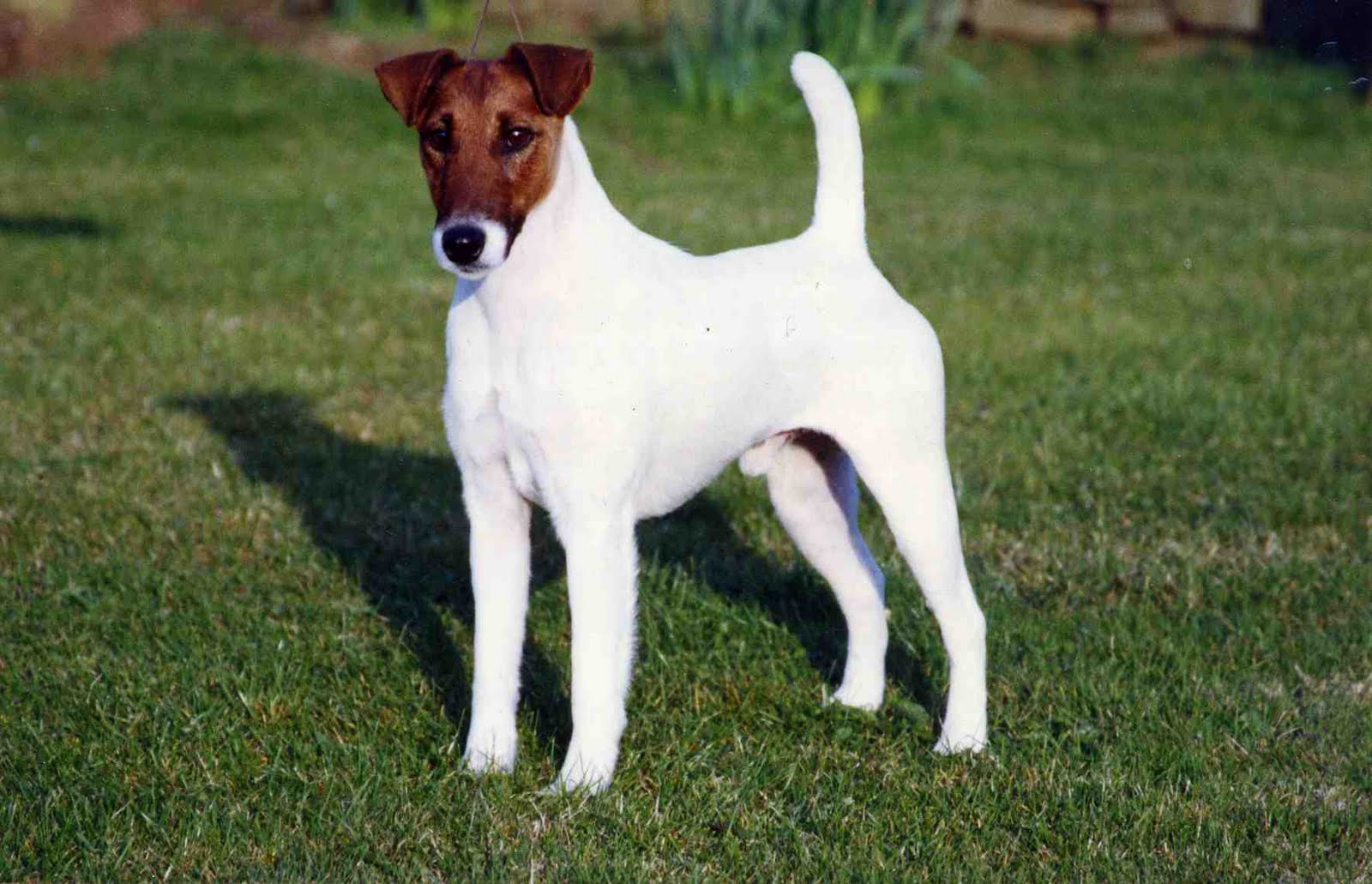
Appearance: Short, sleek, close to the body. Looks like a Boxer with slightly different proportions or coloring. Minimal to no wave.
Texture: Smooth and firm to the touch. No fluffiness.
Shedding: Moderate, year-round. You will find short hairs on furniture and clothing.
Matting risk: Very low. The hair is too short to tangle.
Grooming needs: Minimal -- weekly brushing with a rubber curry brush, baths every 6-8 weeks, regular nail trims and ear cleaning. This is the easiest Boxerdoodle coat to maintain.
Type 2: Wavy Coat (Even Mix)
This is the most common Boxerdoodle coat type.
Appearance: Medium-length, tousled waves. Has body and movement. Often described as looking perpetually windblown in the best possible way.
Texture: Soft to slightly coarse, with visible wave pattern. Some areas may be wavier than others.
Shedding: Light to moderate. Less than a Boxer, more than a Poodle.
Matting risk: Moderate. The wave pattern creates friction between hairs, especially in high-movement areas like armpits and behind ears.
Grooming needs: Brush three to four times per week. Professional grooming every five to seven weeks for trimming and thorough detangling.
Type 3: Curly Coat (Poodle-Dominant)
Appearance: Dense curls ranging from loose ringlets to tight corkscrews. Can look quite Poodle-like, especially on the body.
Texture: Soft and springy. Curls bounce back when stretched.
Shedding: Minimal. Shed hair gets trapped in the curls rather than falling free.
Matting risk: High. Those trapped shed hairs create tangles that tighten into mats quickly without regular brushing.
Grooming needs: Daily brushing or at minimum every other day. Professional grooming every four to six weeks including a full haircut.
Type 4: Mixed or "Patchwork" Coat
Appearance: Different textures across different body zones. Might be wavy on the back, smoother on the legs, curlier around the ears and face. Oddly charming.
Texture: Varies by location on the body. You might feel three different textures running your hand from shoulder to tail.
Shedding: Unpredictable -- different zones may shed differently.
Matting risk: Moderate to high, particularly where textures transition.
Grooming needs: The most complex to maintain because different areas need different approaches. Professional grooming every five to six weeks is important, ideally with a groomer who assesses each zone individually.
The Skin Factor: A Boxerdoodle-Specific Concern
Here is something that does not get enough attention in Boxerdoodle coat discussions: skin sensitivity.
Boxers have notoriously reactive skin. Allergies to environmental triggers (grass, pollen, dust mites) and food sensitivities are extremely common in the breed. Roughly 30% of Boxer owners report dealing with recurring skin issues, according to breed health surveys.
This skin sensitivity frequently carries over to Boxerdoodles, regardless of which coat type they inherit. A curly-coated Boxerdoodle with Boxer skin sensitivity is a particular grooming challenge -- the coat hides the skin reactions while simultaneously trapping the allergens that cause them.
Watch for:
- Excessive scratching or licking
- Red, irritated skin visible when you part the coat
- Hot spots -- moist, inflamed patches
- Recurring ear infections (often allergy-related)
- Paw chewing
A Surprising Coat Fact
Boxerdoodle coats can produce color patterns that neither parent breed carries individually. Because the Boxer contributes brindle patterning and the Poodle contributes solid colors in unusual shades like silver and apricot, first-generation Boxerdoodle puppies sometimes display color combinations that are genuinely unusual in the dog world -- brindle overlaid with a slight silver cast, for instance, or a fawn base with Poodle-like fading as the dog matures. These colors can also change significantly from puppyhood to adulthood. The puppy you bring home might look quite different at two years old, and that is completely normal for this cross.
Coat Transition in Boxerdoodle Puppies
Like most Poodle mixes, Boxerdoodles with wavy or curly coats go through a coat transition as they mature. This typically happens between 6 and 14 months of age.
During this period, the soft puppy coat is gradually replaced by the coarser adult coat. Both exist simultaneously, and they tangle together badly. A Boxerdoodle puppy that was easy to brush at four months might suddenly become a matting disaster at nine months.
This is not a problem with the dog or your brushing technique -- it is a normal developmental process. Increasing brushing frequency and keeping grooming appointments during this period prevents the matting from getting out of control.
Climate and Your Boxerdoodle's Coat
Boxerdoodles adapt differently to climate depending on coat type:
- Smooth-coated Boxerdoodles get cold in winter and may need a jacket in temperatures below 40 degrees. They handle heat reasonably well.
- Wavy and curly-coated Boxerdoodles have better insulation but can overheat in hot, humid conditions. Keep longer coats trimmed shorter in summer.
- All Boxerdoodles with Boxer skin sensitivity may react more strongly to seasonal allergens. Spring and fall can be rough.
Coat Care Toolkit
What you need depends on your Boxerdoodle's coat type, but a solid basic kit includes:
- Rubber curry brush -- for smooth coats, removes loose hair and stimulates skin
- Slicker brush -- essential for wavy and curly coats
- Steel comb -- for checking behind ears and in armpits where mats hide
- Deshedding tool -- if your Boxerdoodle has any Boxer-type shedding
- Gentle, hypoallergenic shampoo -- important given potential Boxer skin sensitivity
- Leave-in conditioner spray -- makes brushing wavy and curly coats easier
The Bottom Line
Your Boxerdoodle's coat is a genuine genetic adventure. The most important thing you can do is figure out which coat type your dog actually has, match your care routine to that specific coat, and find a groomer who assesses each Boxerdoodle as an individual rather than applying a one-size-fits-all doodle approach. Once you understand what you are working with, the coat goes from confusing to manageable.
PawOps helps grooming salons assess mixed-breed coats using condition scoring and coat type analysis, ensuring your Boxerdoodle gets a grooming plan tailored to their specific coat -- not a generic breed template.