Understanding Your Boxer's Coat: What Every Owner Should Know
Understanding Your Boxer's Coat: What Every Owner Should Know
The Boxer coat looks simple. It is short, smooth, and tight against the body. There is no styling to worry about, no mats to detangle, no feathering to shape. Yet there is more going on with this coat than meets the eye.
Understanding the Boxer coat means understanding what it does, what it does not do, and why it connects directly to your dog's skin health.
Boxer Coat Structure
The Boxer has a single-layer coat, which is relatively unusual. Most breeds have a double coat (outer coat plus undercoat). Boxers have only one layer:
Guard hairs only. Short, smooth, slightly stiff hairs that lie flat against the body. There is no soft undercoat beneath them.
This single-layer structure means:
- Less insulation. Without an undercoat, Boxers are more sensitive to cold and heat than double-coated breeds.
- More skin exposure. The short coat provides less protection from sun, insects, and environmental irritants.
- Direct dander release. Dander sheds directly from the skin into the environment with no coat layer to trap it.
- Visible skin. Skin conditions, lumps, and changes are easier to spot visually but also develop with less coat protection.
Coat Colors and Patterns
Boxer coloring is relatively straightforward:
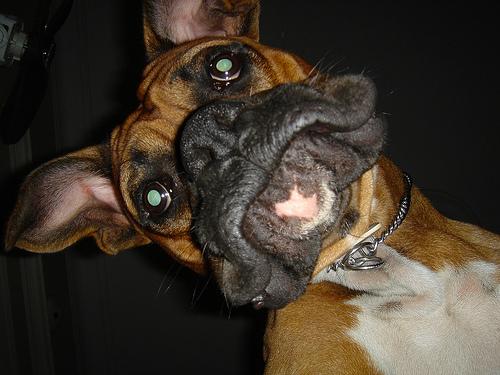
Fawn: Ranges from light tan to deep mahogany red. The most common Boxer color. Fawn Boxers often have a black mask on the face.
Brindle: Fawn base with black stripes creating a tiger-like pattern. Brindle patterns range from sparse (reverse brindle appears nearly black) to minimal (just a few stripes). Brindle is genetically dominant over plain fawn.
White markings: Most Boxers have some white, typically on the chest, paws, and face. White Boxers (predominantly white, more than one-third of the body) are not uncommon but are not AKC show-eligible.
White Boxers: About 25 percent of Boxer puppies are born predominantly white. These dogs are healthy but are more prone to sunburn and deafness (approximately 18 percent of white Boxers are deaf in one or both ears). The white coat provides even less UV protection than pigmented coat.
Color does not significantly affect coat texture, but it does affect skin care needs. White and lightly pigmented areas sunburn more easily, and the skin beneath white patches tends to be more sensitive.
The Shedding Reality
Boxers shed. Full stop. This is not up for debate, despite what some breed descriptions suggest.
Boxer shedding is moderate and year-round. There are no dramatic seasonal coat blows like double-coated breeds, but the daily output of short hairs is consistent and persistent.
What makes Boxer shedding particularly noticeable:
- The hairs are short and stiff. They embed in fabric rather than sitting on top. Boxer hairs stick into couch cushions, car seats, and dark clothing like tiny needles.
- No coat layer traps them. Unlike double-coated breeds where shed undercoat gets caught in the outer coat, Boxer hairs release directly into the environment.
- The hairs are hard to remove. A lint roller does moderate work. A rubber brush or damp rubber glove works better. Some Boxer owners swear by pumice stones on upholstery.
Skin Health: The Real Coat Story
With Boxers, the coat is almost secondary. The skin underneath is where the action is.
Allergies
Boxers are one of the most allergy-prone breeds. Environmental allergies (pollen, dust, mold) and food allergies are both common. Signs include excessive scratching, red skin, recurring ear infections, and paw licking.A well-managed grooming routine helps by keeping allergens washed off the coat and skin, and by providing regular inspection to catch allergic reactions early.
Skin Infections
The combination of sensitive skin and minimal coat protection makes Boxers susceptible to bacterial and fungal skin infections. Hot spots, folliculitis, and pyoderma are all common.Acne
Yes, dog acne. Boxers are prone to chin acne, which appears as red bumps or pimples on the chin and muzzle. This is exacerbated by plastic food and water bowls (switch to stainless steel or ceramic), drool, and bacteria trapped in the short chin hairs.Mast Cell Tumors
This is the serious one. Boxers have a higher incidence of mast cell tumors (a type of skin cancer) than any other breed. Regular skin examination during grooming is one of the best ways to catch new lumps early when treatment options are best.Wrinkle Dermatitis
Moisture and bacteria trapped in facial wrinkles cause inflammation and infection. Daily cleaning prevents this common and uncomfortable condition.Season-by-Season Coat Care
Spring and Summer:
- Apply dog-safe sunscreen to white patches and lightly pigmented areas, especially the nose and belly
- Check for ticks regularly (the short coat makes them visible but they attach easily)
- Rinse after swimming to remove chlorine or lake bacteria
- More frequent bathing may be needed for active outdoor Boxers
- Provide a coat or sweater for cold weather walks (Boxers have minimal insulation)
- Moisturize dry skin with omega-3 supplements
- Watch for cracked paw pads from cold and salt
- Keep indoor humidity reasonable to prevent dry, flaky skin
Your Boxer Coat Care Toolkit
Working With Your Groomer
When your Boxer visits the groomer, the focus should be on skin health, not coat styling:
- Point out any new lumps or skin changes you have noticed.
- Discuss shampoo options if your Boxer has allergies or sensitive skin.
- Ask about wrinkle care products for between-visit maintenance.
- Request thorough skin examination as part of every grooming session.
The Boxer coat is deceptively simple. It requires less grooming time than most breeds, but the skin it protects (barely) needs more attention than most breeds. Understand this balance, invest in regular professional care focused on skin health, and your Boxer will stay comfortable, healthy, and looking sharp in their sleek, glossy coat.
Frequently Asked Questions
Why does my Boxer shed so much with such a short coat?
Boxer hairs grow, die, and release on a continuous cycle with no undercoat to trap them. The short, stiff hairs seem more noticeable because they embed in fabrics rather than sitting on surfaces.Do Boxers need sunscreen?
Yes, especially white Boxers and any Boxer with lightly pigmented skin areas. Dog-safe sunscreen on the nose, belly, and white patches prevents sunburn during prolonged outdoor time.Why does my Boxer have pimples on the chin?
Boxer chin acne is common and often caused by bacteria buildup on the chin, exacerbated by plastic bowls. Switch to stainless steel or ceramic bowls and keep the chin area clean.Should I put a coat on my Boxer in winter?
Yes. Without an undercoat, Boxers have minimal natural insulation. A dog coat or sweater is recommended for walks when temperatures drop below 45 degrees Fahrenheit.How can I make my Boxer's coat shiny?
A healthy diet rich in omega-3 and omega-6 fatty acids produces the most noticeable shine improvement. Regular brushing with a rubber curry brush distributes skin oils. Bathing with moisturizing shampoo helps. A dull coat often indicates a nutritional or health issue.---
Ready to streamline your grooming workflow? PawOps Board Manager helps salons track every Boxer from check-in to pickup with real-time visibility. Start your free 30-day trial →