Understanding Your Border Terrier's Coat: What Every Owner Should Know
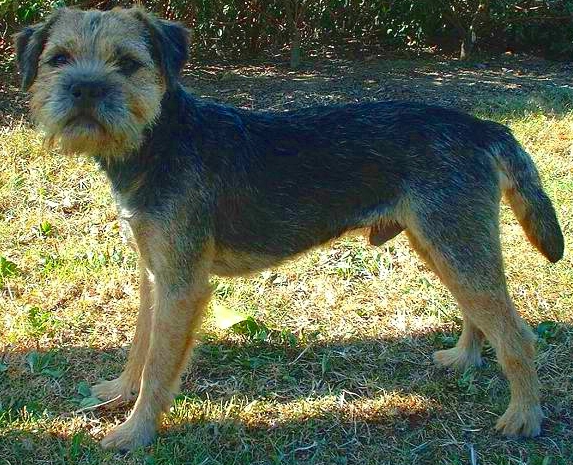
The Border Terrier's coat is a masterpiece of practical breeding. Developed over centuries on the English-Scottish border country, this coat was engineered to handle freezing rain, thorny undergrowth, and tight fox holes -- all while keeping a small dog warm, dry, and protected.
If you own a Border, understanding this coat isn't optional. It's the key to keeping your dog comfortable, healthy, and looking like the breed standard intended.
Anatomy of the Border Coat
The Border Terrier carries what's technically called a "harsh, dense coat with a close undercoat." Let's break down what that actually means:
The outer coat (jacket): Wiry, harsh guard hairs that lie relatively close to the body. Unlike some terrier breeds whose coats stand out dramatically, the Border's coat follows the body contour more closely. These hairs are designed to shed water -- a necessity in the rainy border country where the breed originated.
The undercoat: Thick, short, and almost linty in texture. This dense layer sits right against the skin and provides insulation. During seasonal changes, this undercoat loosens and needs removal to maintain proper temperature regulation.
The furnishings: Moderate facial hair (whiskers, slight eyebrows) and slightly longer hair on the legs. These are less pronounced than in many terrier breeds -- the Border's look is functional, not flashy.
A study by the University of Edinburgh's Roslin Institute (2021) on terrier coat genetics found that Border Terrier coats have one of the highest density-to-weight ratios among terrier breeds -- maximum protection with minimum bulk.
Color and Its Relationship to Coat Health
Border Terriers come in four standard colors:
- Red: The most common. Rich, warm red ranging from dark to light.
- Grizzle and tan: Dark-tipped hairs over a tan base, creating a salt-and-pepper effect.
- Blue and tan: Steel blue body with tan points.
- Wheaten: Pale gold to warm straw color.
- Red coats show sun damage most visibly -- fading indicates UV overexposure
- Grizzle coats lose their dark tips when clipped instead of stripped
- Blue and tan requires careful stripping to maintain the blue depth
- Wheaten coats can appear "washed out" if undercoat isn't properly managed
The Growth Cycle Explained
Border Terrier coat grows in a predictable cycle that, once understood, makes grooming timing much clearer:
Weeks 1-4 after stripping: New coat emerges. Short, slightly soft initially but quickly develops texture. The dog may look a bit bare.
Weeks 4-8: Coat reaches working length. Full coverage restored, texture is correct -- harsh and weather-resistant.
Weeks 8-12: Coat is mature. At its longest functional length, still has good texture and color.
Weeks 12-16: Coat is "blown." Dead hair sits in follicles, texture starts softening at the tips, coat may look dull or untidy. This is when stripping is needed.
Letting the coat go past the blown stage causes problems -- dead hair mats against the skin, new growth is blocked, and the dog becomes uncomfortable.
Why the Border Coat Exists This Way
Every aspect of the Border's coat reflects its working purpose:
Close-lying: Unlike Wire Fox Terriers with dramatic stand-off coats, the Border's jacket lies close to allow passage through narrow spaces (fox holes, rock crevices).
Water shedding: The Border country between England and Scotland receives 40-60 inches of rainfall annually. The coat had to repel water without becoming heavy.
Thorn resistant: Working through gorse and bramble, the harsh outer coat deflects thorns that would penetrate softer coats.
Self-cleaning: Mud dries and falls away from a properly textured Border coat. Owners often note that a dirty Border dries clean -- the coat doesn't hold filth.
Loose fitting: The coat (and skin) fits somewhat loosely, allowing the dog to twist and turn underground without the coat pulling or tearing.
Maintaining the Border Coat at Home
Between professional sessions, here's your maintenance protocol:
Daily (2 minutes):
- Quick visual check for debris, tangles, or skin irritation
- Run hands over the body to feel for lumps or coat changes
- Brush with a slicker brush, working with the coat direction
- Use an undercoat rake along the back and sides
- Comb through leg furnishings
- Check and clean beard area
- Check ears for debris or waxy buildup
- Inspect paw pads and between toes
- Assess overall coat condition -- is it starting to blow?
- More thorough undercoat raking session
- Pluck any obviously dead, loose outer coat hairs
- Trim paw pad hair if needed
- Clean facial folds and ear edges
Common Border Coat Issues
Premature softening: Usually caused by clipping, over-bathing with harsh shampoos, or genetic variation. If you haven't clipped, consult your groomer about whether the coat is genuinely off-texture or just overdue for stripping.
Excessive undercoat: Some Borders develop overly dense undercoat that doesn't shed naturally. Professional de-undercoating 2-3 times yearly prevents this from becoming uncomfortable.
Coat not growing back: After stripping, if coat doesn't regrow within 6 weeks, consult your vet. Thyroid issues, nutritional deficiencies, or skin conditions can delay regrowth.
Hot spots: More common in Borders with neglected undercoat. The trapped dead hair creates moisture and heat against the skin -- perfect conditions for bacterial infection.
Thinning over the back: Can indicate Cushing's disease, thyroid problems, or simply age-related changes. Always worth a vet check.
Bathing: Less Is More
Border Terriers need bathing far less than most owners assume. The harsh coat is naturally self-cleaning, and over-bathing:
- Strips protective oils
- Softens coat texture
- Can dry the skin, leading to itching and flaking
- Removes the water-resistant quality
When you do bathe, use a texturizing or harsh-coat shampoo -- never a softening or moisturizing formula on the body. Rinse thoroughly and follow with a high-velocity blow dry to remove the loosened undercoat.
The Relationship Between Diet and Coat
Coat quality reflects nutritional status:
- Omega-3 fatty acids (fish oil): Improve coat shine and skin health
- Protein quality: The coat is made of keratin (protein). Low-quality protein = poor coat
- Zinc: Deficiency shows as dull, brittle coat
- Biotin: Supports both coat and nail health
Your Border's Coat Through Life
Coat changes are normal throughout a Border's life:
Puppy coat (birth to 8-12 months): Soft, often darker than adult color. Gradually replaced by adult coat.
Adult coat (1-8 years): Full texture and color. Regular maintenance keeps it optimal.
Senior coat (8+ years): May become slightly softer, thinner, or develop gray hairs. Gentle stripping with increased frequency keeps older dogs comfortable. Some seniors do better with a softer maintenance approach.
Understanding these life stages helps you adapt grooming expectations without compromising your Border's comfort or health.
---
Ready to streamline your grooming workflow? PawOps Board Manager helps salons track every Border Terrier from check-in to pickup with real-time visibility. Start your free 30-day trial →