Understanding Your Border Collie's Coat: Built for Work, Designed for Weather
Understanding Your Border Collie's Coat: Built for Work, Designed for Weather
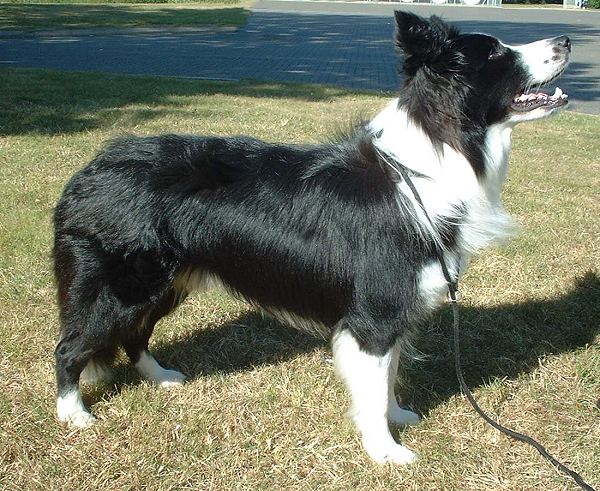
The Border Collie coat wasn't designed in a show ring -- it was forged on the misty hills of the Scottish-English borderlands, where rain, wind, cold, and thorny brush are daily realities. Understanding your Border Collie's coat means understanding why it works the way it does, and how to keep it doing its job.
Two Coat Types: Rough and Smooth
Border Collies come in two officially recognized coat varieties. Both are double coats with weather-resistant properties, but they look and feel quite different.
Rough Coat
The more iconic Border Collie look. Features:- Length: Medium to long, 3-6 inches over most of the body
- Texture: Slightly wavy to straight, coarser outer coat
- Feathering: Prominent on ears, chest, forelegs, haunches, and tail
- Mane: Fuller ruff around the neck and chest
- Undercoat: Dense and soft, providing insulation
Smooth Coat
Sleeker and more streamlined. Features:- Length: Short to medium, 1-2 inches
- Texture: Coarser than it looks, close-lying
- Feathering: Minimal, mostly on haunches and tail
- Undercoat: Dense but less visible than rough coat variety
Surprising fact: the rough and smooth coat types can appear in the same litter. The coat type is determined by a single gene, with rough being dominant over smooth. Two rough-coated parents can produce smooth-coated puppies if both carry the recessive smooth gene.
How the Border Collie Coat Actually Works
The double coat system is elegant engineering:
Outer coat (guard hairs):
- Longer, coarser hairs that form the visible coat
- Water-resistant -- rain beads and runs off rather than soaking through
- UV protective -- blocks harmful sun exposure
- Physically protective -- shields skin from brush, brambles, and insect bites
- Dirt-resistant -- healthy guard hairs actually release dried mud and debris
- Short, soft, dense hairs close to the skin
- Traps air for insulation (warmth in winter, cooling barrier in summer)
- Grows and sheds seasonally to adjust insulating capacity
- When properly maintained, allows airflow to the skin
The Border Collie Shedding Cycle
Border Collies shed year-round at a moderate level, with two major shedding events:
Spring blowout (March-May): The heavy winter undercoat sheds to make way for a lighter summer undercoat. This is the bigger event -- expect dramatic amounts of loose fur for 2-4 weeks.
Fall transition (September-November): The summer undercoat gives way to a denser winter coat. Usually less dramatic than spring but still significant.
Between blowouts, shedding is moderate but constant. Those short undercoat hairs end up on everything -- furniture, clothes, food, the inside of your coffee mug. It's the price of admission for one of the most intelligent breeds on the planet.
Shedding Triggers Beyond Seasons
- Stress: Border Collies are emotionally sensitive, and stress increases shedding
- Hormonal changes: Intact females shed more around heat cycles
- Post-pregnancy: Nursing mothers often experience significant coat loss
- Dietary deficiency: Poor nutrition accelerates shedding
- Indoor living: Dogs in climate-controlled environments may shed more evenly year-round rather than in distinct seasonal bursts
Common Border Collie Coat Problems
Matting
The number one coat issue for rough-coated Border Collies. Mats form when loose undercoat tangles with guard hairs, creating dense clumps that tighten over time. Common matting zones:- Behind ears
- Armpits
- Under the collar
- Leg feathering
- Groin area
Hot Spots (Acute Moist Dermatitis)
Border Collies are prone to hot spots, especially active dogs who swim or get wet frequently. Hot spots are painful, oozing patches of inflamed skin that develop rapidly -- sometimes overnight.Prevention: Dry your Border Collie thoroughly after swimming or rain. Remove loose undercoat regularly so moisture doesn't get trapped against skin.
Allergies
Both environmental and food allergies are relatively common. Symptoms include:- Excessive scratching
- Red, irritated skin
- Recurring ear infections
- Paw chewing
- Coat dullness
Post-Shaving Coat Damage
If a Border Collie has been shaved (for surgery, severe matting, or misinformed heat management), the coat often grows back incorrectly. The undercoat typically returns faster than guard hairs, resulting in a fuzzy, soft texture that lacks the weather resistance and structure of the original coat. In some cases, the coat never fully recovers its original quality.Nutrition and Border Collie Coat Health
Active breeds need high-quality nutrition to fuel both their energy and their coat:
- Protein: 25-30% protein from named meat sources supports keratin production
- Omega-3 fatty acids: Fish oil reduces inflammation and adds shine. Dose: roughly 1,000mg EPA/DHA per 40 pounds of body weight
- Omega-6 fatty acids: Support skin barrier function
- Zinc: Essential for skin health; active dogs may need more
- Adequate calories: An underweight Border Collie will have a dull, thin coat -- these dogs burn calories fast
The Right Tools for Border Collie Coat Care
| Tool | Best For | Use | |------|----------|-----| | Slicker brush | Detangling, mat prevention | 3-4x weekly (rough), 1-2x weekly (smooth) | | Undercoat rake | Removing loose undercoat | Weekly, daily during blowout | | Steel comb | Checking for hidden tangles | After brushing, run through coat | | Pin brush | Finishing brush, gentle daily use | As desired | | High-velocity dryer | Post-bath undercoat removal | After every bath |
The steel comb test: After brushing, run a fine steel comb through the coat. If it catches, there are still tangles. If it glides through, you're done. This is how professional groomers verify their work.
Working Dogs vs. Pet Dogs: Coat Care Differences
Working Border Collies often have naturally maintained coats because their activity level and outdoor exposure keeps the coat cycling properly. Pet Border Collies in climate-controlled homes may actually need MORE grooming because:
- Indoor climate disrupts natural shedding cycles
- Less outdoor activity means less natural debris removal
- Less exposure to weather means guard hairs don't develop optimal water resistance
- Reduced natural nail wear and paw pad conditioning
FAQ
What's the difference between a rough and smooth coat Border Collie?
Rough coats are medium to long with prominent feathering on ears, chest, and legs. Smooth coats are shorter and sleeker with minimal feathering. Both are double coats that shed and need regular grooming.How often should I brush my Border Collie?
Rough coats need brushing 3-4 times per week, smooth coats 1-2 times. During seasonal shedding, increase to daily brushing for both types.Will my Border Collie's coat grow back normally after being shaved?
Often not fully. The undercoat typically grows back faster than guard hairs, creating a fuzzy texture that lacks weather resistance. Some Border Collie coats never fully recover their original quality after shaving.Why does my Border Collie get hot spots?
Hot spots develop when moisture gets trapped against the skin under dense coat. Swimming, rain, and packed undercoat are common triggers. Thorough drying and regular undercoat removal prevent most hot spots.Do Border Collies need professional grooming or can I do everything at home?
Home brushing is essential and covers most daily needs. But professional grooming provides thorough deshedding with high-velocity dryers, sanitary trimming, and health assessments that significantly improve coat health beyond what home care alone achieves.---
Ready to streamline your grooming workflow? PawOps Board Manager helps salons track every Border Collie from check-in to pickup with real-time visibility. Start your free 30-day trial →