Understanding Your Bloodhound's Coat: What Every Owner Should Know
Understanding Your Bloodhound's Coat: What Every Owner Should Know
The Bloodhound coat looks simple. Short, smooth, and not particularly glamorous. But if you have ever run your hand along a Bloodhound's back and been surprised by how thick the fur actually feels, you have already discovered the first thing most people get wrong about this breed's coat: there is a lot more going on than meets the eye.
What Makes the Bloodhound Coat Unique
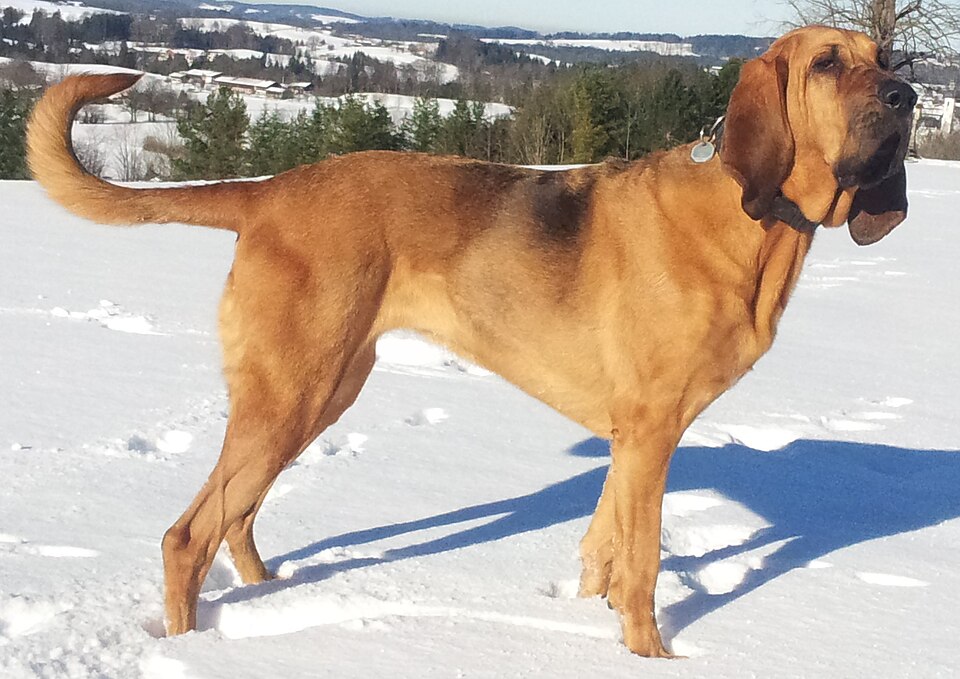
Bloodhounds have a short, dense double coat that was purpose-built for outdoor work. This is a breed that was developed to track scent trails for hours or even days across varied terrain and through all weather conditions. The coat reflects that heritage.
The Outer Coat
The outer layer is smooth, fairly coarse to the touch, and lies close to the body. It has a natural oiliness that most owners notice -- that slightly greasy feel is not dirt. It is a built-in weather protection system. The oils repel water and help insulate the dog from rain, cold, and dampness. This was essential for a breed that historically worked through underbrush, streams, and wet fields.
That oiliness is also the primary source of the classic Bloodhound smell. More on that shortly.
The Undercoat
Beneath the outer coat sits a denser, softer undercoat that provides insulation. The undercoat is thicker than you would expect on a short-haired breed -- significantly denser than breeds like Beagles or Vizslas that might appear similar at first glance. This undercoat is what drives the shedding that surprises so many Bloodhound owners.
The Shedding Situation
Let us address this head-on because it catches almost every new Bloodhound owner off guard.
Bloodhounds shed. A lot. Year-round.
The short coat creates an illusion of low maintenance, but those short hairs get everywhere -- embedded in furniture fabric, stuck to clothing, scattered across floors. Short-haired breed shedding is actually harder to clean up than long-haired shedding because the hairs are small, stiff, and weave themselves into fabric.
Twice a year -- typically in spring and fall -- Bloodhounds blow their undercoat. During these periods, the shedding goes from "noticeable" to "genuinely alarming." Clumps of soft undercoat come loose, and your home temporarily looks like it is being recarpeted in dog fur.
The American Kennel Club rates Bloodhound shedding as "frequent," and breed-specific surveys consistently rank them among the top 20 shedding breeds. A study published in the Journal of Veterinary Dermatology found that double-coated breeds shed an average of 40% more hair by weight than single-coated breeds of comparable size.
The Bloodhound Smell: It Is the Coat
This deserves its own section because it is the number one coat-related concern Bloodhound owners bring up.
Bloodhounds are among the most aromatic dog breeds. That distinctive hound odor comes primarily from the sebaceous glands in the skin, which produce the oils that make the coat weather-resistant. The breed simply produces more of these oils than most dogs.
Here is what you need to understand: the smell is not a sign of poor hygiene. It is a breed characteristic. You can manage it, but you cannot eliminate it entirely. Bathing removes the oils temporarily, but the glands continue producing them. Over-bathing actually makes things worse by stripping the oils too aggressively, which triggers the glands to produce even more.
The sweet spot for most Bloodhounds is bathing every four to six weeks with a deodorizing or enzymatic shampoo that neutralizes odor-causing compounds rather than just masking them with fragrance.
A Surprising Fact About Bloodhound Fur
Here is something genuinely interesting that most owners never learn: Bloodhound coat color can affect texture. The breed comes in three recognized color patterns -- black and tan, liver and tan, and red. Breeders and groomers have long observed that red Bloodhounds tend to have a slightly softer, finer coat texture compared to black and tan Bloodhounds, which often have a coarser, more resilient outer coat. This is not just anecdotal -- it aligns with research on melanin's role in hair structure. The eumelanin (dark pigment) in black and tan coats is associated with thicker individual hair shafts, while the phaeomelanin (red pigment) correlates with finer hair. In practical terms, this means red Bloodhounds may shed slightly more by volume but their shed fur is less likely to embed stubbornly in fabrics.
Seasonal Coat Changes
Bloodhound coats respond to seasonal shifts in daylight and temperature:
- Spring: The heavy winter undercoat loosens and sheds over a period of two to four weeks. This is the heaviest shedding period. Professional deshedding treatments during this time make a significant difference.
- Summer: The coat thins somewhat. The oily outer coat still insulates, preventing both overheating and sunburn. Never shave a Bloodhound -- the double coat actually regulates temperature in both directions.
- Fall: A new, denser undercoat grows in. There is a secondary shedding event as the summer coat transitions out, though it is usually less dramatic than the spring blowout.
- Winter: The coat is at its thickest and most weather-resistant. Shedding continues at a lower level but does not stop.
Climate and Your Bloodhound's Coat
Where you live affects how the coat behaves:
- Hot, humid climates can intensify the hound odor because heat and moisture amplify oil production. Bloodhounds in places like Houston, Miami, or New Orleans may need slightly more frequent bathing and fold care. However, the coat still provides valuable sun protection, so do not shave.
- Cold, dry climates may cause the skin to dry out and flake. A moisturizing conditioner during baths helps maintain healthy oil balance without stripping the coat.
- Dogs living primarily indoors with regulated temperature and artificial lighting may shed more evenly throughout the year rather than having dramatic seasonal blowouts.
Essential Coat Care Tools for Bloodhound Owners
Your home grooming kit should include:
- Rubber curry brush or hound glove -- the best everyday tool for Bloodhound coats. The rubber nubs grip and remove loose fur effectively from a short coat.
- Bristle brush -- for finishing and distributing natural oils after curry brushing.
- Deshedding tool -- use carefully during heavy shedding periods. Do not press hard or use excessively, as it can irritate the skin on a short-coated breed.
- Deodorizing spray -- a waterless option between baths to manage hound odor. Look for enzymatic formulas.
- Gentle, moisturizing shampoo -- avoid harsh detergent-based formulas that strip oils aggressively.
Home Brushing Routine
Bloodhounds benefit from a simple, consistent brushing routine:
- Frequency: Two to three times per week (daily during shedding season)
- Duration: 10 to 15 minutes per session
- Method: Start with the curry brush or hound glove, working in circular motions across the body. Follow with the bristle brush to smooth the coat and distribute oils. Pay extra attention to the hindquarters, sides, and chest where shedding tends to be heaviest.
Coat-Related Health Issues to Watch For
The Bloodhound's coat and skin are connected to several health concerns:
- Seborrhea -- an overproduction of skin oils that causes flaking, greasiness, and intensified odor. Bloodhounds are genetically predisposed. Medicated shampoos prescribed by a veterinarian can manage this condition.
- Hot spots -- moist, inflamed patches of skin that develop rapidly, especially in warm weather. The dense undercoat can trap moisture against the skin.
- Contact dermatitis -- Bloodhounds' low-hanging ears and loose skin can drag through irritants. Check for redness after outdoor time.
- Flea sensitivity -- some Bloodhounds are highly reactive to flea bites, with skin irritation spreading quickly under the coat.
When to See a Professional
Beyond regular grooming appointments, consult your groomer or veterinarian if you notice:
- Sudden increase in oiliness or odor that does not improve with bathing
- Persistent flaking or dandruff
- Red, irritated patches of skin
- Excessive scratching, licking, or biting at the coat
- Bald spots or uneven thinning
- Changes in coat texture or color
The Takeaway
The Bloodhound coat is a working coat -- built for purpose, not for show. Understanding its double-layer structure, natural oiliness, and heavy shedding pattern helps you care for it properly rather than fighting against its natural characteristics. Work with the coat, not against it. Regular brushing, appropriate bathing intervals, and professional grooming on a consistent schedule keep everything in balance.
PawOps helps grooming salons evaluate coat condition on every visit using breed-specific assessment criteria, ensuring your Bloodhound's grooming plan matches their actual coat needs rather than a generic one-size-fits-all approach.