Why Your Black and Tan Coonhound Needs Professional Grooming
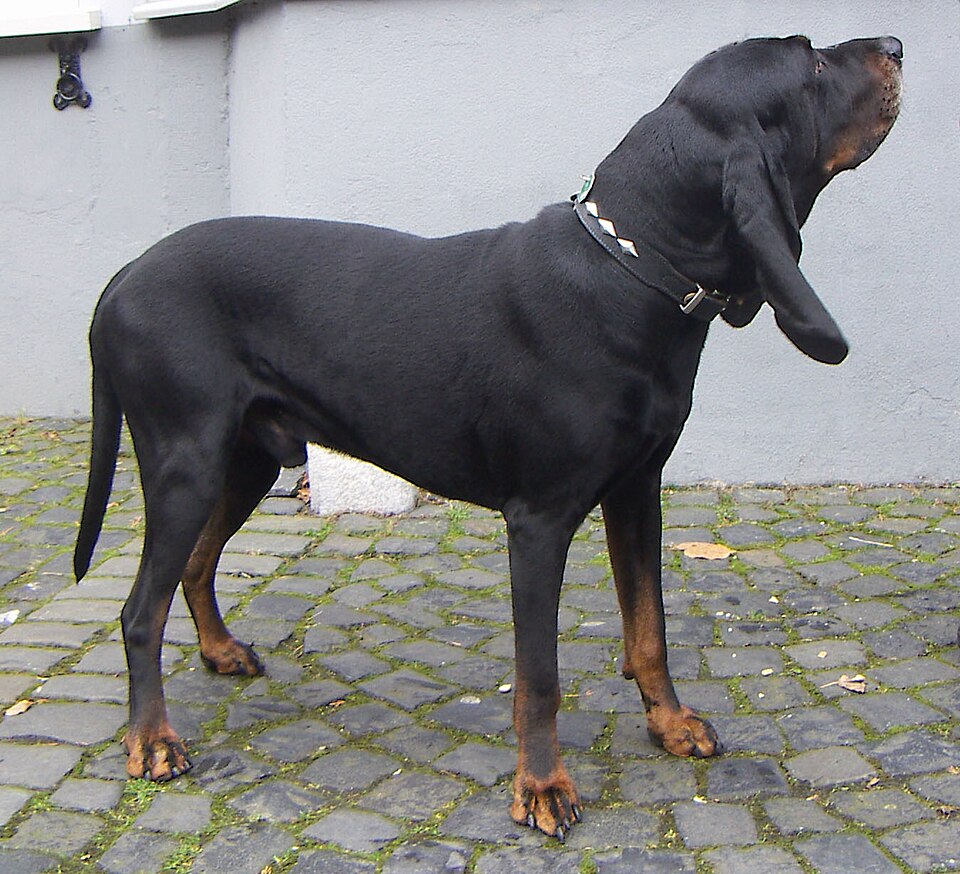
Black and Tan Coonhounds look like they maintain themselves. That short, dense coat and those rugged hound looks suggest a dog that thrives on benign neglect. Some owners go years without professional grooming -- and their Coonhounds pay the price in chronic ear infections, skin problems, and that legendary hound odor that drives family members out of the room.
Professional grooming for a Black and Tan isn't about making them look fancy. It's about managing the specific health challenges this breed faces.
The Ear Emergency
Let's address the elephant in the room: Black and Tan Coonhound ears are infection magnets.
Those long, velvety, pendulous ears that give the breed its mournful, noble expression also create a warm, enclosed, poorly-ventilated environment where bacteria and yeast throw parties. According to veterinary otology data, Coonhound breeds have ear infection rates 4-5 times higher than the average dog.
What makes it worse:
- The ears are low-set, dragging through everything at nose level
- They fold over the ear canal, trapping moisture
- The inner ear produces wax that accumulates without airflow
- Swimming and rain exposure (common for hunting dogs) introduce moisture
- Allergies (common in the breed) increase ear wax production
- Thorough ear cleaning reaching deeper than most owners can safely manage
- Inspection for early infection signs (color, odor, sensitivity)
- Proper drying technique after bathing
- Removal of excess ear canal hair (if present)
- Recommendations for between-visit home care
The Hound Smell Factor
Black and Tan Coonhounds have a distinctive hound odor that's partially genetic and partially manageable. The breed produces more skin oils than average dogs, creating that characteristic scent.
Professional grooming manages odor through:
- Proper degreasing shampoo selection (removes excess oil without stripping skin)
- Thorough rinsing (trapped product amplifies smell)
- Complete drying (wet hound smell is 10x worse than dry hound smell)
- Skin fold cleaning (the loose facial skin creates folds where bacteria and yeast thrive)
- Anal gland assessment (impacted glands contribute significant odor)
Skin and Coat Health
The Black and Tan's short, dense coat is deceptive:
It's a double coat: Short doesn't mean single-layered. Coonhounds have a dense undercoat that sheds seasonally and can mat against the skin if neglected.
They shed heavily: Among short-coated breeds, Coonhounds are prodigious shedders. Those short, stiff hairs embed in everything.
Skin folds trap moisture: The loose skin around the face and neck creates folds where bacteria and yeast breed.
Oil production is high: More sebaceous activity means faster buildup of skin oils, leading to odor and potential dermatitis.
Professional grooming addresses all of these systematically -- something that's hard to replicate with a garden hose and a towel.
The Physical Exam Disguised as Grooming
Black and Tan Coonhounds are working dogs. They run through rough terrain, swim in questionable water, and return home with the confidence of a dog who absolutely has not been rolling in something dead.
Professional grooming serves as a full-body health check:
Parasite detection: The dark coat makes ticks nearly invisible during petting. Professional groomers systematically check the entire body, finding embedded ticks that owners miss for days.
Wound discovery: Active dogs get cuts, scratches, and puncture wounds hidden under dense coat. Groomers find these before they become infected.
Lump detection: At 65-110 pounds, Coonhounds have a lot of body to hide growths. Hands-on grooming reveals what visual inspection can't.
Joint assessment: Coonhounds are prone to hip dysplasia. Groomers notice stiffness, sensitivity, or gait changes during handling.
Weight monitoring: Under that loose skin and dense coat, weight changes can go unnoticed. Groomers feel body condition directly.
What a Professional Session Includes
A thorough Black and Tan Coonhound grooming session:
Total: 75-120 minutes. More intensive than many owners expect for a "short-coated" breed.
Nail Maintenance
Black and Tan Coonhounds have large, thick, dark nails. These dogs were bred to work on various terrain, but modern pet Coonhounds often don't get enough natural nail wear.
Professional nail care matters because:
- Large nails require heavy-duty clippers (home clippers often aren't strong enough)
- Dark nails hide the quick (professional experience prevents painful cuts)
- Improper length affects the gait of an already heavy dog
- Dewclaws (if present) can grow into the pad without attention
The Right Schedule
Black and Tan Coonhounds benefit from professional grooming every 4-6 weeks:
- Full groom: Every 4-6 weeks (bath, deshed, ears, nails, full detail)
- Ear check only: Every 2 weeks if your dog is infection-prone
- Nail trim: Every 3-4 weeks
Between visits:
- Brush with a rubber curry 2-3 times weekly
- Check ears weekly (smell, look, feel)
- Wipe facial folds every few days
- Watch for excessive scratching (skin or ear issue developing)
---
Ready to streamline your grooming workflow? PawOps Board Manager helps salons track every Black and Tan Coonhound from check-in to pickup with real-time visibility. Start your free 30-day trial →