Understanding Your Bichon Frise's Coat: What Every Owner Should Know
Understanding Your Bichon Frise's Coat: What Every Owner Should Know
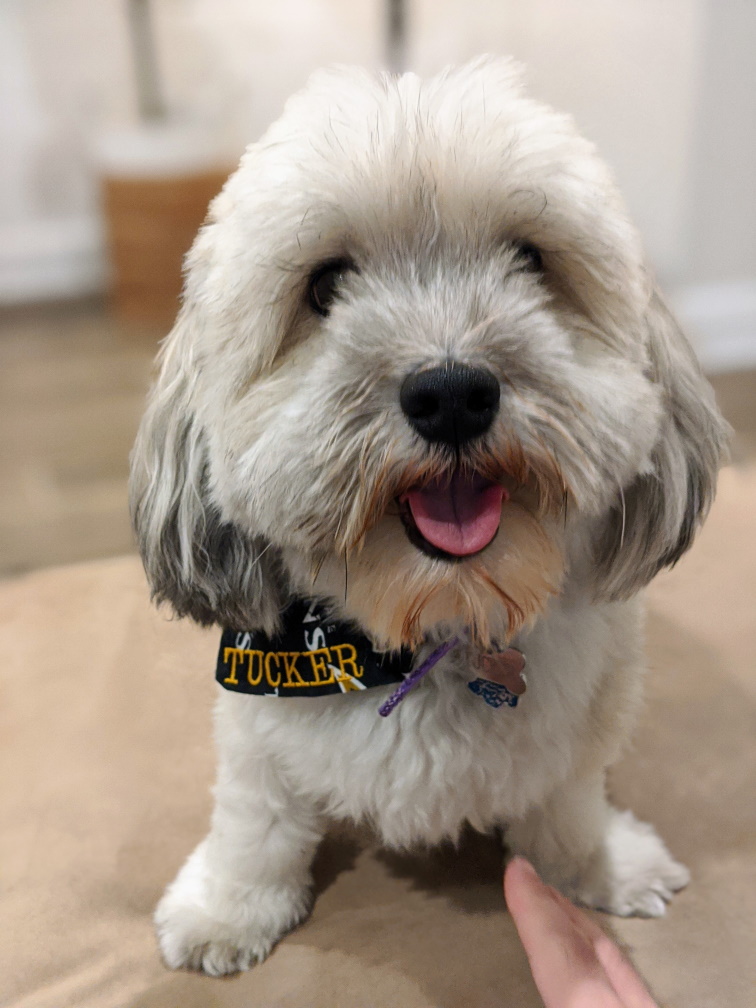
The Bichon Frise coat is one of the most distinctive in the dog world. That white, puffy, almost cloud-like appearance is not just adorable. It is the result of a genuinely unusual coat structure that behaves differently from most other breeds.
Understanding how this coat works will save you frustration, save your dog discomfort, and help you work more effectively with your groomer.
Bichon Frise Coat Structure: The Double Curl
The Bichon coat is a double coat where both layers are curly. This combination is relatively rare in the dog world:
The undercoat is soft, dense, and fine. It sits close to the skin and provides insulation. The undercoat curls tightly, creating a springy base layer.
The outer coat is coarser, curlier, and stands away from the body. When properly groomed, the outer coat creates a rounded silhouette that makes the Bichon look like a living cotton ball.
The interaction between these two curly layers is what makes the Bichon coat both remarkable and challenging. Shed hair from the undercoat gets caught in the curly outer coat instead of falling to the floor. This creates the low-shedding reputation but also means that without regular brushing, the trapped hair weaves into the living coat and creates mats from the inside out.
A surprising fact: the Bichon coat, when groomed to breed standard, should spring back when pressed down with your hand. This springy quality comes from the combination of the dense undercoat pushing outward and the curly outer coat providing structure. A coat that lies flat or feels limp typically indicates poor condition, improper grooming technique, or a coat that needs professional attention.
White Is the Only Color, But Texture Varies
Bichon Frise are white. Period. The breed standard allows for slight shadings of buff, cream, or apricot around the ears and body, but the dominant color is always white.
What varies more than color is texture:
Correct texture: Coarse outer coat with soft undercoat. The overall feel is springy and resilient. The coat stands away from the body naturally.
Cotton texture: Some Bichons develop a softer, more cotton-like coat. While this looks fluffy and appealing, cotton coats mat more aggressively than correct-textured coats and require more frequent grooming.
Sparse coat: Occasionally, a Bichon will have thinner coat coverage, particularly in the undercoat. These dogs are easier to maintain but lack the signature puffy appearance.
Coat texture is primarily genetic, but nutrition, health, and grooming products all influence how the coat feels and behaves.
Coat Growth and the Grooming Cycle
Bichon hair grows continuously at approximately 0.5 inches per month. Without trimming, the coat will keep growing indefinitely, eventually matting into a solid mass.
The growth rate matters for grooming scheduling. At 4 weeks after a grooming appointment, your Bichon has added about half an inch of growth. At 6 weeks, roughly three-quarters of an inch. At 8 weeks, a full inch that has likely started matting in problem areas.
This is why the 4 to 6 week grooming window is not arbitrary. It is based on how quickly the coat grows to a point where professional intervention becomes necessary.
The Low-Shedding Myth (Sort Of)
Bichons are marketed as hypoallergenic and non-shedding. The reality is more nuanced:
Bichons do shed. The undercoat follows a growth cycle and old hairs release regularly. However, these shed hairs get trapped in the curly outer coat rather than falling to the floor.
The trapped hair creates mats. What does not end up on your couch ends up tangling in the coat. This is why regular brushing is mandatory: you are removing the shed hair before it weaves into the living coat.
Dander is reduced but not eliminated. Bichons produce less airborne dander than many breeds, which is why they work for some allergy sufferers. But no dog is truly hypoallergenic.
Think of it this way: every breed sheds. Bichons just shed into their own coat instead of onto your furniture. You trade vacuuming for brushing.
Common Bichon Frise Coat Issues
Mat Formation
The defining challenge. Bichon mats form at the skin level where shed undercoat tangles with living hair. They are invisible on the surface until they tighten into solid clumps.High-risk areas: Behind the ears, under the front legs (armpits), around the collar or harness area, between the hind legs, and on the belly.
Prevention: Brush every other day using a slicker brush, working in sections from skin outward. Follow with a metal comb to verify thoroughness. If the comb catches, you found a tangle. Address it immediately.
Tear Staining
Like Maltese, Bichons develop reddish-brown tear stains below the eyes. The white coat makes these highly visible.Causes: Excessive tearing, shallow eye sockets, blocked tear ducts, and the porphyrin compound in tears that oxidizes on white hair.
Management: Daily face wiping with a warm cloth, regular face trimming, and filtered drinking water all help. Severe cases may benefit from veterinary evaluation.
Skin Sensitivity
Under all that coat, Bichons have relatively sensitive skin. Harsh grooming products, rough brushing, or infrequent bathing can cause irritation, redness, and flaking.Management: Use gentle, hypoallergenic grooming products. Brush with a quality slicker brush using moderate pressure. Bathe regularly but not excessively (every 3 to 4 weeks during professional grooming is typical).
Color Changes
Some Bichons develop yellowing or discoloration of the white coat, particularly around the mouth, feet, and genital area. Causes include saliva staining, food dyes, grass staining, and urine contact.Management: Whitening shampoos during professional grooming, paw cleaning after outdoor time, and face wiping after meals.
Your Bichon Frise Coat Care Toolkit
Brushing Technique for Bichons
The key to Bichon brushing is line brushing, a technique that ensures you reach all the way to the skin:
This takes 15 to 20 minutes for a well-maintained coat. It seems tedious, but it is the only way to ensure you are actually reaching the mats that form at the skin level.
Working With Your Groomer
Your groomer sees your Bichon's coat from a perspective you cannot. Maximize that relationship:
- Report any new bumps or skin changes. Under the dense coat, skin issues can hide easily.
- Be realistic about your brushing frequency. Your groomer can adjust the cut length based on how much home maintenance you realistically do. Shorter cuts for less brushing. Longer, fluffier styles for dedicated daily brushers.
- Ask about conditioning treatments. Periodic deep conditioning improves coat texture and reduces matting between visits.
The Bichon Frise coat is demanding but rewarding. When properly maintained, it is one of the most eye-catching coats in the dog world. Understand its quirks, invest in regular care, and enjoy owning one of the fluffiest dogs on the planet.
Frequently Asked Questions
Do Bichon Frise shed?
Yes, but shed hair gets trapped in the curly coat rather than falling out. This creates a low-shedding appearance but means regular brushing is essential to prevent matting from trapped dead hair.How is a Bichon Frise coat different from a Poodle coat?
Both are curly and continuously growing, but the Bichon has a double coat (undercoat plus outer coat) while the Poodle has a single-layer coat. The Bichon's double coat creates the puffy silhouette but also adds complexity to grooming.Why does my Bichon's coat feel flat after bathing?
Improper drying is the usual cause. Bichons need to be fluff-dried (blow-dried while brushing) to restore the coat's natural volume and springy texture. Air drying or cage drying produces a flat, tangled result.Can I use a Furminator on my Bichon Frise?
No. Deshedding tools like the Furminator are designed for double-coated breeds with a different coat structure. On a Bichon, they can cut the curly outer coat and damage the coat's texture. Use a slicker brush and comb instead.At what age does a Bichon Frise puppy coat change to adult coat?
The transition typically begins around 8 to 12 months and can last several months. During this transition, the coat becomes denser, curlier, and significantly more prone to matting. This is when establishing a professional grooming schedule becomes critical.---
Ready to streamline your grooming workflow? PawOps Board Manager helps salons track every Bichon Frise from check-in to pickup with real-time visibility. Start your free 30-day trial →