Understanding Your Beagle's Coat: What Every Owner Should Know
Understanding Your Beagle's Coat: What Every Owner Should Know
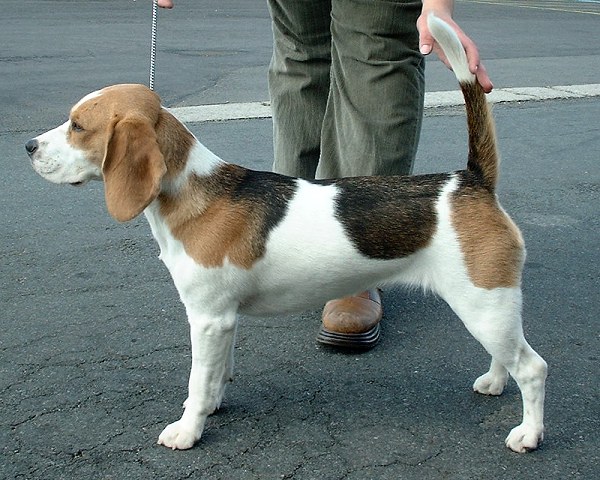
The Beagle coat is the classic example of a coat that is far more than it appears. Short? Yes. Simple? Not exactly. That compact, smooth exterior hides a dense double-layer system designed for a hardworking hunting dog, and it comes with behaviors that catch many owners by surprise.
Here is what you need to know about the coat covering your favorite nose-on-legs.
Beagle Coat Structure
Beagles have a short, dense double coat with two distinct layers:
The undercoat is soft, dense, and insulating. It sits close to the skin and grows thicker in cold months, then sheds out as the weather warms. This layer is the primary source of shedding and the reason Beagles drop more hair than their appearance suggests.
The outer coat (guard hairs) is short, hard, and smooth. It has a slightly coarse texture that helps repel water and protects the undercoat from dirt, debris, and brush. This is the coat you see and touch on the surface.
The double-coat system was bred into Beagles for a practical reason: they were (and still are) used as scent hounds that hunt in packs through rough terrain in all weather conditions. The coat needed to be dense enough to protect from thorns and rain, short enough to not snag on brush, and self-maintaining enough to handle weeks of field work.
Here is a surprising fact: the Beagle coat has natural waterproofing properties. The guard hairs have a slightly oily surface that causes water to bead and run off rather than soaking through to the undercoat. This is an advantage in the field but contributes to the distinctive "hound smell" that Beagle owners know well.
Beagle Coat Colors and Patterns
Beagles come in a variety of colors and patterns, all with the same coat structure:
Classic tricolor: Black, white, and tan. The most recognizable Beagle coloring. Born predominantly black and white, the tan markings develop as the puppy matures.
Two-color (bi-color): Variations include tan and white, red and white, lemon and white, and chocolate and white.
Lemon: A pale cream color with white. Lemon Beagles are born almost entirely white and develop their color gradually.
Blue tick: White base with blue-gray ticking (small spots). Less common but recognized.
Red tick: White base with red ticking.
Color does not significantly affect coat texture or grooming needs. However, lemon and lighter-colored Beagles sometimes have a slightly softer coat texture than tricolor dogs.
A fun detail: Beagle coat color changes throughout life. Tricolor puppies are born mostly black and white, with tan markings appearing and expanding over the first year. Many Beagles continue to lighten slightly throughout their lives, with black areas sometimes developing a reddish or brownish tinge in older dogs.
The Shedding Truth
Beagles shed. Significantly. This is the coat fact that surprises the most owners.
Year-round shedding: Beagles shed at a moderate level every day of the year. The short hairs are everywhere: clothes, furniture, car seats, food. They are small but persistent.
Seasonal shedding increases: In spring and fall, shedding intensifies as the undercoat transitions between its winter (thick) and summer (thin) states. Spring shedding is typically heavier.
The hairs are problematic: Short Beagle hairs are stiff and slightly barbed at the tip. They embed in fabric and are notoriously difficult to remove. Lint rollers help but do not fully solve the problem. Many Beagle owners report that a slightly damp rubber glove run over upholstery is more effective than any commercial product.
A comparative data point: in shedding assessments across popular breeds, Beagles are classified as moderate to heavy shedders. They shed more than most people expect from a short-coated dog and roughly equivalent to some notoriously shedding breeds like Pugs and Boston Terriers.
The Hound Smell Explained
Beagles have a distinctive odor that is unique to hound breeds. Understanding why helps you manage it:
Oily skin glands: Beagles have more active sebaceous glands than many breeds. These glands produce oils that waterproof the coat (useful for hunting) but also produce the musky hound smell.
Ear oils: The inside of Beagle ears produces oils and wax at a higher rate than most breeds. This contributes to both ear odor and infection susceptibility.
Anal glands: Beagles are prone to anal gland issues, which can add to their overall aroma.
The accumulated effect: The combination of oily skin, ear secretions, and normal body odor creates the "houndy" smell that Beagle owners recognize instantly.
Management: Regular bathing every 4 to 6 weeks, ear cleaning weekly, brushing to distribute oils, and quality diet all help manage the odor. You probably will not eliminate it entirely. Most longtime Beagle owners stop noticing it after a while.
Common Beagle Coat and Skin Issues
Allergies
Beagles are moderately prone to environmental and food allergies. Signs include excessive scratching, red skin, recurring ear infections, and paw licking. Allergies can make the skin oilier and increase odor.Hot Spots
Moist dermatitis can develop quickly, especially in warm, humid weather. The dense undercoat holds moisture against the skin. Regular deshedding reduces the risk by improving airflow to the skin.Folliculitis
Bacterial infection of hair follicles appears as small bumps or pimples on the skin. More common in the belly and groin area. Regular bathing with antibacterial shampoo helps prevent occurrence.Hypothyroidism
Beagles are one of the breeds most commonly affected by hypothyroidism. Coat symptoms include thinning, dullness, excessive shedding, and slow regrowth. If your Beagle's coat quality declines noticeably, thyroid testing is warranted.Season-by-Season Coat Care
Spring:
- Heaviest shedding season. Increase brushing to daily.
- Schedule professional deshedding session.
- Watch for hot spots as humidity rises.
- Check for ticks after outdoor time.
- Moderate shedding. Brush 2-3 times per week.
- Rinse after swimming to prevent ear infections.
- The coat provides some UV protection but light-colored Beagles may need sunscreen on the nose.
- More frequent bathing may be needed for odor management.
- Moderate shedding as winter coat grows in.
- Resume more frequent brushing.
- Professional deshedding session recommended.
- Check for burrs and foxtails in the coat after field outings.
- Coat at peak density. Brush 2-3 times per week.
- Less bathing needed (the coat's natural oils provide some cold weather protection).
- Watch for dry skin from indoor heating.
- Wipe paws after walks to remove salt and de-icers.
Your Beagle Coat Care Toolkit
Working With Your Groomer
- Emphasize ear care. Make sure ear cleaning is thorough and included in every session.
- Discuss odor management. Your groomer may recommend specific deodorizing products or bathing schedules.
- Report any skin changes. Beagles can develop allergies and skin conditions that benefit from early treatment.
- Ask about deshedding options. During heavy shedding season, targeted deshedding treatments make a noticeable difference in home shedding.
The Beagle coat is a working system designed for a hunting dog, packed into a compact family companion. It is low-maintenance compared to many breeds, but it is not no-maintenance. Understand the shedding, manage the ears, address the odor, and your Beagle will be comfortable, healthy, and still ready to follow their nose wherever it leads.
Frequently Asked Questions
Do Beagles have a double coat?
Yes. Despite appearing short and simple, Beagles have a dense undercoat beneath a harder outer coat. This double-layer structure is why they shed more than expected and benefit from professional deshedding.Why does my Beagle shed so much when the coat is so short?
The dense undercoat follows a growth and shedding cycle independent of the visible outer coat. During seasonal transitions, the undercoat sheds heavily as it adjusts between winter and summer density.Can I stop my Beagle from smelling?
You can reduce the hound odor with regular bathing, ear cleaning, quality diet, and brushing. Completely eliminating it is difficult because it is a natural characteristic of the breed's oily skin and coat.Is my Beagle's coat waterproof?
Partially. The oily guard hairs repel light rain and surface moisture. Heavy rain or swimming will eventually penetrate to the undercoat. Always dry ears thoroughly after water exposure.Why is my Beagle's coat dull or thinning?
Possible causes include poor nutrition, hypothyroidism (common in Beagles), allergies, or skin infections. A persistently dull or thinning coat warrants veterinary evaluation, particularly for thyroid function.---
Ready to streamline your grooming workflow? PawOps Board Manager helps salons track every Beagle from check-in to pickup with real-time visibility. Start your free 30-day trial →