Understanding Your Basset Hound's Coat: What Every Owner Should Know
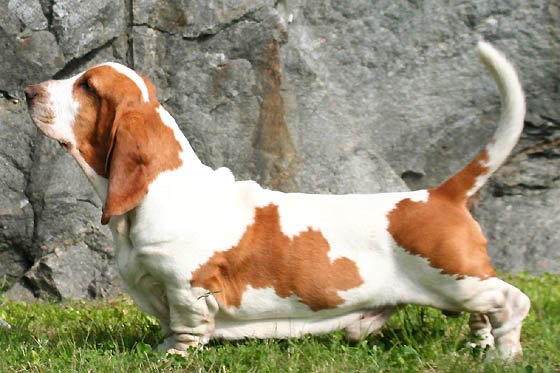
Understanding Your Basset Hound's Coat: What Every Owner Should Know
That smooth, short coat on your Basset Hound? It's hiding a lot more complexity than meets the eye. Basset Hound owners often get caught off guard by shedding levels, oil production, and coat-related health issues that seem like they shouldn't apply to a "short-haired" dog.
Once you understand what's actually going on with your Basset's coat, you can take better care of it. And honestly, it'll make your life a lot easier too.
The Double Coat Breakdown
Your Basset Hound has a true double coat, which is something a lot of owners don't realize. Here's how it works:
The outer coat is made up of short, dense, smooth hairs that feel slightly coarse to the touch. This layer repels water and dirt to some degree -- a trait that dates back to the breed's origins as a French hunting dog that worked through wet underbrush and muddy fields.
The undercoat is softer, denser, and sits close to the skin. This layer provides insulation in both cold and warm weather. It's also the layer responsible for most of your shedding problems.
Here's the kicker: while many double-coated breeds have dramatic seasonal blowouts (think Huskies turning your house into a fur factory twice a year), Basset Hounds shed consistently year-round. There's no "off season." You're getting a steady stream of loose hair 365 days a year.
A study published in the Journal of Veterinary Dermatology found that breeds with continuous shedding cycles, like Basset Hounds, actually release more total hair annually than many seasonal shedders. You just don't notice it as dramatically because it's spread out over 12 months instead of concentrated into two explosive periods.
The Oil Factor
This is the part that catches most new Basset owners completely off guard. Basset Hounds produce significantly more sebum (skin oil) than the average dog breed. That oil serves a real purpose -- it makes the coat water-resistant, which was essential for a dog bred to track scent through wet terrain for hours.
But in your living room, that oil means:
- The "hound smell" -- That distinctive Basset odor isn't the dog being dirty. It's the oil doing its job. The smell comes from natural oils combining with skin bacteria.
- Greasy residue -- You'll notice oily marks where your Basset rests their head or rubs against furniture.
- Product requirements -- Regular dog shampoo won't cut through the oil. You need degreasing formulas designed for heavy-coated or oily breeds.
- Faster dirt accumulation -- Oil acts like a magnet for dust and debris, so Bassets get dirtier faster than you'd expect.
Basset Hound Coat Colors and Patterns
Basset Hounds come in a range of color combinations, and the coat color can actually affect grooming needs slightly:
- Tri-color (black, white, and tan) -- The most classic look. No special coat considerations.
- Red and white -- Tends toward slightly softer texture. May show staining more visibly around eyes and mouth.
- Lemon and white -- The lightest color option. Very prone to visible staining and may need more frequent facial cleaning.
- Mahogany and white -- Deeper red tones. Coat density is typically the same across all colors.
Common Basset Hound Coat Problems
Knowing what to watch for can save you vet bills and keep your dog more comfortable:
Seborrhea
Excessive oil production can tip into seborrhea, a condition where the skin produces too much sebum. Signs include flaky skin, greasy patches, and intensified odor. It's more common in Basset Hounds than in almost any other breed. Regular grooming with medicated shampoos helps manage it.Hot Spots
Moisture trapped against the skin -- whether from the oily coat, skin folds, or those long ears dragging through water bowls -- can create hot spots. These are painful, inflamed areas that spread quickly if not treated. A professional groomer will spot early hot spots during a bath and flag them before they escalate.Skin Fold Dermatitis
While technically a skin issue rather than a coat issue, the coat's oil production makes skin fold problems worse. Oil + moisture + warmth in those wrinkles = bacterial paradise.Allergic Dermatitis
Basset Hounds have a higher-than-average rate of environmental allergies, which often show up as coat and skin problems first -- itching, redness, hair thinning, and excessive scratching. If your Basset's coat starts looking dull or patchy, allergies might be the culprit.How to Care for Your Basset Hound's Coat
Daily and Weekly Home Care
- Brush 2-3 times per week with a rubber curry brush or hound mitt. This distributes oils evenly and removes loose hair before it hits your furniture.
- Wipe down skin folds daily with a dry cloth or unscented grooming wipe.
- Check ears every few days for odor, redness, or discharge.
- Don't over-bathe at home. Using the wrong shampoo too frequently strips the coat and causes the skin to overcompensate by producing even more oil.
Professional Grooming Schedule
Every 4-6 weeks, your Basset needs a professional session that includes:
- Degreasing bath with appropriate shampoo
- High-velocity dry to reach the undercoat
- Deshedding treatment
- Ear cleaning
- Skin fold cleaning and drying
- Nail trim
What Not to Do
- Never shave your Basset Hound. The double coat regulates body temperature in both directions. Shaving it exposes the skin to sunburn and actually makes your dog hotter in summer.
- Don't use human shampoo. The pH is wrong for dogs and will irritate the skin.
- Don't ignore the smell. If your Basset smells significantly worse than usual, something has changed -- infection, seborrhea, or a skin fold problem needs attention.
The Surprising Truth About Basset Hound Coat Maintenance
Here's something most breed guides won't tell you: a well-maintained Basset Hound coat is actually quite beautiful. When the oils are balanced, the shedding is managed, and the skin is healthy, that short coat has a gorgeous, smooth sheen that catches the light.
The problem is that most Basset owners are playing catch-up instead of staying ahead of the coat. They wait until the dog smells bad, then scramble for a bath. They ignore the shedding until the couch is covered.
Flip the script. Stay on a consistent grooming schedule, do your home maintenance between visits, and your Basset's coat will look and feel dramatically different. Your house will smell better, your furniture will stay cleaner, and your dog will be more comfortable.
That's not a bad trade for a brush a few times a week and a grooming appointment once a month.
---
Ready to streamline your grooming workflow? PawOps Board Manager helps salons track every Basset Hound from check-in to pickup with real-time visibility. Start your free 30-day trial →