Understanding Your American Foxhound's Coat: What Every Owner Should Know
Understanding Your American Foxhound's Coat: What Every Owner Should Know
The American Foxhound was bred to run -- for hours, across miles, through every kind of terrain Virginia and the Mid-Atlantic could throw at it. Every aspect of this breed, from its long legs to its deep chest to its coat, was refined for endurance performance. Understanding the coat means understanding what makes this dog tick.
Coat Structure: Built for Distance
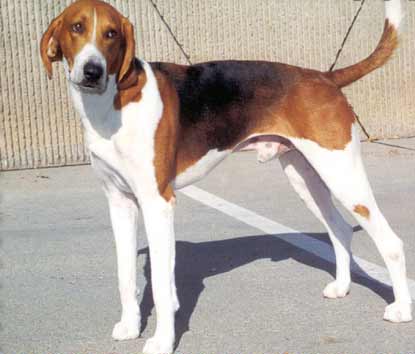
The American Foxhound has a close-lying, medium-length double coat with a distinctly hard texture. This is not a soft, plush coat -- it is a working coat designed for protection and performance.
The Outer Coat
The guard hairs are medium in length, straight, and lie flat against the body. The texture is notably firm -- often described as "hard" in the breed standard. This hardness serves multiple functions:
- Water resistance: Rain and morning dew shed off the hard surface rather than soaking in
- Brush deflection: Thorns, briars, and low branches glance off rather than tangling
- Quick drying: After stream crossings, the hard coat releases water rapidly
- Dirt resistance: The firm texture prevents dirt from embedding deeply
The Undercoat
Beneath the guard hairs lies a fine, soft undercoat that provides insulation. The American Foxhound's undercoat is moderate in density -- enough to protect during cool morning hunts but not so thick that the dog overheats during sustained running.
The undercoat is where most shedding originates. Guard hairs have a longer growth cycle and shed less frequently, while the undercoat turns over continuously with seasonal spikes.
Color and Pattern
The American Foxhound comes in any hound color, with several classic patterns:
Tri-Color: The most iconic look. Black saddle, white base, tan points on the face, ears, and legs. This pattern varies from heavy (predominantly black) to open (predominantly white with black patches).
Red and White: Varying shades of red from pale lemon to deep mahogany, combined with white markings. Some dogs appear nearly solid red with minimal white.
Blue: A diluted tri-color where black becomes blue-grey. Less common but striking.
Lemon and White: Pale yellow-tan with white. The palest color variety.
White: Predominantly white with minimal color patches. Rare but accepted.
Color does not significantly affect coat care, though darker-coated dogs may show dander and dry skin flakes more obviously, while lighter-coated dogs reveal dirt and outdoor debris more readily.
Shedding: The Full Picture
The American Foxhound is a moderate shedder. Not the heaviest shedder in the hound group, but consistently noticeable.
Year-Round Baseline
Expect a steady, moderate rate of hair loss every day of the year. Short, straight hairs appear on furniture, clothing, and car seats with regularity. On a 1-10 shedding scale, daily American Foxhound shedding rates about a 5.
The hairs are medium length and straight, which means they are moderately easy to remove from fabric -- easier than the needle-like hairs of truly short-coated breeds, but still present enough to require regular vacuuming.
Seasonal Transitions
Spring and fall trigger heavier shedding lasting 2-4 weeks:
Spring: The winter undercoat releases, which is the heavier of the two transitions. During peak spring shedding, daily brushing is necessary to manage the volume of loose hair.
Fall: The summer coat thins to make way for denser winter undercoat growth. Less dramatic than spring but still noticeable.
Environmental Factors
American Foxhounds that live primarily indoors in climate-controlled homes may shed more evenly year-round, as the artificial environment reduces the seasonal signals that trigger coat transitions. Outdoor or kennel-kept Foxhounds tend to have more defined seasonal shedding cycles.
The Hound Scent: Understanding and Managing It
Let us address the elephant in the room -- or rather, the hound in the room. American Foxhounds have a distinctive scent that is stronger than most non-hound breeds.
Why It Exists: The sebaceous glands in hound skin produce more oil than many breeds. This oil waterproofs the coat, keeps skin supple during extended outdoor exposure, and historically helped pack members maintain scent familiarity. It is a feature, not a flaw.
What Makes It Stronger: Wet coat, warm temperatures, heavy exercise, and infrequent grooming all amplify hound scent. The ears are a particular scent source -- the pendant position traps warmth and moisture, and the ear leather produces oil.
Managing It: Professional grooming every 6-8 weeks with deodorizing shampoo is the most effective approach. Between grooms, ear cleaning and wiping the coat with grooming wipes helps. Diet quality also affects skin oil production -- high-quality food with balanced omega fatty acids can reduce excessive oiliness.
What Not to Do: Do not over-bathe. Weekly baths strip natural oils, causing the skin to overcompensate by producing even more oil. This creates a cycle where the dog actually smells worse the more you bathe them. The 6-8 week professional bathing cycle is optimal.
Common Coat and Skin Considerations
Hot Spots
The combination of dense coat, active lifestyle, and skin oil production makes American Foxhounds moderately prone to hot spots, particularly in warm, humid climates. Prevention centers on keeping the coat dry (especially after rain or swimming), regular deshedding to improve airflow, and prompt cleaning of any skin abrasion.
Allergies
American Foxhounds can develop environmental allergies that manifest as itchy skin, excessive scratching, and localized hair loss. The coat may appear dull and the skin flaky during allergy flares. Seasonal allergies are more common than food allergies in this breed. Work with your veterinarian if you notice patterns of scratching during specific seasons.
Tick Susceptibility
As an active outdoor breed, the American Foxhound is frequently exposed to ticks. The moderate coat density provides enough coverage for ticks to hide but not enough to make them easily felt during casual petting. Regular professional grooming includes systematic tick checks, and post-outdoor thorough body inspections should be a home routine.
According to the CDC, the geographic range of tick-borne diseases has expanded significantly in recent years, with Lyme disease now reported in areas where it was previously uncommon. Regular grooming-based tick detection is increasingly important for outdoor breeds.
Care at Home
Weekly:
- Brush with rubber curry brush or hound glove (10 minutes)
- Check and wipe inside ears with vet-approved cleaner
- Run hands over body checking for ticks, bumps, skin changes
- Check nail length
- Inspect paw pads
- Wipe facial folds if present
- Increase brushing to daily during coat transitions
- Adjust flea/tick prevention per vet recommendation
- Consider omega-3 supplementation during dry months
Essential Tools
- Rubber curry brush or hound glove: Primary grooming tool -- removes loose hair, distributes oils, stimulates skin
- Medium bristle brush: For general brushing and finishing
- Metal flea comb: For checking ears and finding parasites
- Grooming wipes: Between-bath freshening and ear maintenance
- Deodorizing spray (dog-safe): For scent management between grooms
Reading the Coat
A healthy American Foxhound coat is sleek, flat-lying, firm to the touch, and carries a subtle natural sheen. The color should be rich and well-defined. The coat should feel smooth when you stroke it from head to tail and dense when you push your fingers through to the skin.
Warning signs: dull or lifeless appearance, excessive oiliness, dry flaking, patchy hair loss, red or irritated skin, persistent scratching. Any of these indicate a nutritional, environmental, or medical issue that needs investigation.
This coat was refined over 250 years of American breeding for a single purpose: to protect a running dog that never quits. Maintain it properly, and it will keep doing its job for the lifetime of your hound.
---
Ready to streamline your grooming workflow? PawOps Board Manager helps salons track every American Foxhound from check-in to pickup with real-time visibility. Start your free 30-day trial →
Related Reading: