Why Your American Eskimo Dog Needs Professional Grooming (That White Coat Demands It)
Why Your American Eskimo Dog Needs Professional Grooming (That White Coat Demands It)
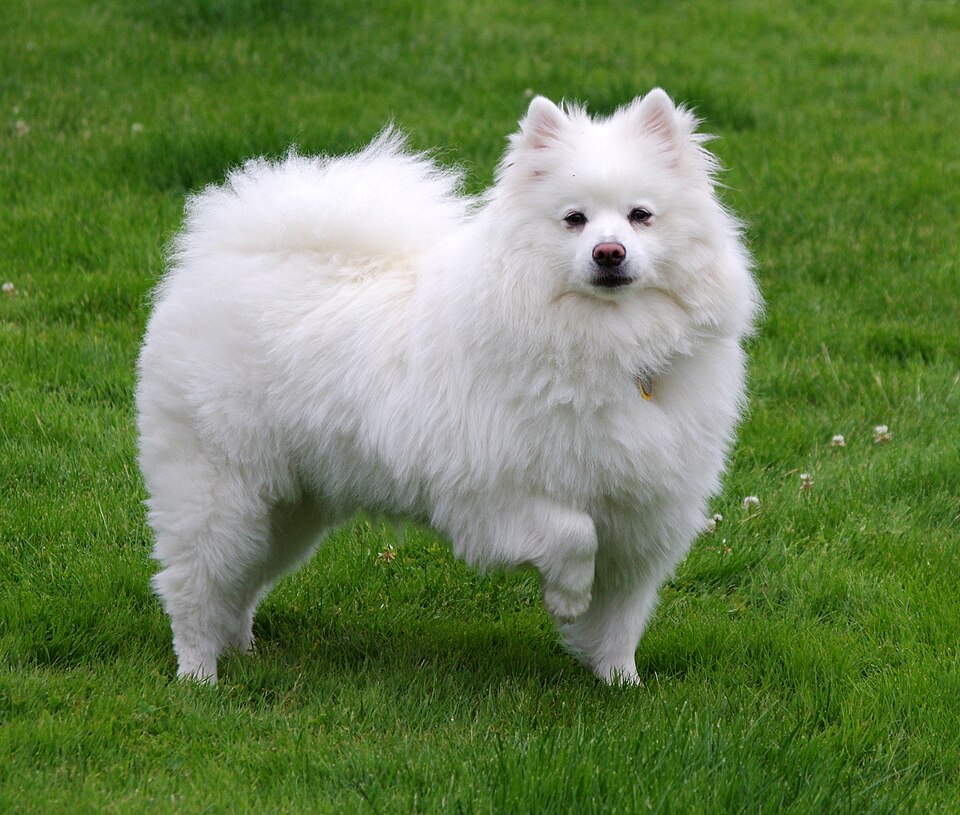
The American Eskimo Dog is basically a snowstorm with legs. That brilliant white double coat catches every eye in the room and, as you've probably discovered, catches every particle of dirt, debris, and loose fur in a three-mile radius.
If you own an Eskie, you already brush. You probably already battle the tumbleweeds of white fur that accumulate in corners like tiny snow drifts. But home maintenance, no matter how diligent, only gets you part of the way. American Eskimo Dog professional grooming handles what your brush and bathtub simply can't.
Let's talk about why.
That White Coat Isn't Just White -- It's a Complex System
The American Eskimo Dog's coat is a double-layer system that evolved for cold-weather function, not just aesthetics. The outer coat consists of straight, stand-off guard hairs that repel water and provide UV protection. Beneath that sits a dense, short undercoat that insulates against temperature extremes.
Here's the part that makes Eskies unique among white dogs: the outer guard hairs have naturally water-resistant oils that also repel dirt. This is why your Eskie can roll in something questionable at the park and still look relatively clean an hour later. The dirt sits on the surface and, once dry, often brushes right off.
But -- and this is significant -- that dirt-repelling magic only works on the outer coat. The undercoat traps everything. Dead hair, dander, dust, moisture, all of it accumulates in the dense undercoat layer where surface brushing can't reach it.
Professional groomers work through to the skin, section by section, removing the trapped debris that daily brushing misses.
American Eskimo Dog Professional Grooming Addresses the Hidden Problems
Undercoat Buildup Is the Real Enemy
The Eskie undercoat sheds constantly. Not just during the twice-yearly coat blows (which are dramatic enough on their own), but all year long, dead undercoat hairs work their way loose and get trapped beneath the guard hairs.
Without thorough removal, this dead undercoat compresses against the skin. It blocks airflow, traps moisture, and creates conditions ideal for hot spots, bacterial infections, and fungal growth. On a white dog, you might not see the problem until it's advanced because there's no color change to alert you.
Professional high-velocity dryers are game-changers for this breed. The force of the dryer blasts dead undercoat free from the skin in ways that no brush can replicate. First-time Eskie owners who take their dog for a professional deshedding session are routinely stunned by the volume of dead coat that comes out.
The Skin Beneath the Snow
American Eskimo Dogs have pink skin under that white coat. This makes them more susceptible to certain skin conditions, and those conditions are harder to spot through the coat without hands-on examination.
Professional groomers part the coat and examine the skin systematically. They catch early signs of:
- Hot spots (moist dermatitis)
- Flea allergies (Eskies with pink skin show reactions more intensely)
- Dry, flaky skin from environmental factors
- Unusual lumps or growths
- Fungal or yeast infections
The Coat Blow Is No Joke
Twice a year, your Eskie will blow coat. The undercoat releases en masse over a period of two to three weeks. During this time, your dog produces enough loose fur to insulate a small house. The white hair gets everywhere -- woven into clothing, embedded in furniture, floating in the air like indoor snow.
A surprising fact about American Eskimo Dog shedding: despite their relatively compact size (the standard variety is only 25-35 pounds), Eskies produce a disproportionate volume of shed coat relative to body size. The undercoat is so dense that a standard Eskie can shed as much total fur volume as breeds twice their size during a coat blow.
Professional deshedding during a coat blow cuts the shedding period dramatically. A single session with a high-velocity dryer removes what would take two weeks of daily home brushing to accomplish.
The Grooming Tasks That Really Need a Professional
Bathing and Drying Done Right
Bathing an Eskie at home is doable, but drying one properly is the challenge. That dense undercoat holds moisture like a sponge. Air-drying an American Eskimo Dog can take hours, and during that time, the moisture trapped against the skin creates ideal conditions for hot spots and mildew-like odors.
Professional groomers use high-velocity dryers to get the coat dry to the skin in a fraction of the time. Complete drying is non-negotiable for this breed.
Also worth noting: Eskies should only be bathed every two to three months under normal conditions. Over-bathing strips the natural oils that keep the coat water-resistant and bright. A professional groomer knows the right frequency and uses products that clean without stripping.
Nail Trimming
American Eskimo Dogs tend to have fast-growing nails, and most have white nails -- which actually makes trimming slightly easier than dark-nailed breeds since you can see the quick. Still, many Eskies are surprisingly dramatic about nail trims. They're sensitive dogs, and an uncomfortable nail-trimming experience can make future sessions a battle.
Professional groomers have the technique and tools to keep it calm, quick, and safe.
Ear Care
Eskies have erect, triangular ears that are less prone to infection than floppy-eared breeds. However, the fur inside and around the ears can trap moisture and debris. Regular cleaning during professional grooming prevents buildup.
The Sanitary and Paw Pad Trims
The thick coat around the rear needs periodic trimming for hygiene. The fur between the paw pads also grows long and should be trimmed to prevent slipping on smooth floors and to keep debris from getting packed between the toes.
These are small tasks, but they make a real difference in your dog's daily comfort.
What a Professional American Eskimo Dog Groom Includes
A thorough professional session for an Eskie covers:
Appointment time: typically 1.5 to 2 hours for a standard-size Eskie. Miniature and toy varieties take slightly less time.
How Often Should an American Eskimo Dog See a Groomer?
Recommended schedule:
- Every 6-8 weeks for standard maintenance
- Every 4-6 weeks during coat blowing season
- Monthly for show-quality coat maintenance or Eskies with skin sensitivities
- Brush 2-3 times weekly with a pin brush and undercoat rake
- Daily brushing during coat blows
- Spot-clean stains on the white coat as they appear
- Check paw pads and ears weekly
The Rule That Cannot Be Broken: Never Shave an Eskie
This is arguably the most important thing any American Eskimo Dog owner needs to understand about coat care. If an American Eskimo Dog is shaved, the damage to the coat can be irreparable.
When the coat is shaved:
- The outer guard hairs are completely removed. They can take years to grow back -- if they grow back at all.
- The undercoat grows in first, creating a soft, cottony texture that mats instantly.
- Temperature regulation is destroyed. The dog is hotter in summer and colder in winter.
- The brilliant white coat may regrow with a different texture and reduced brightness.
Finding the Right Groomer for Your Eskie
When selecting a groomer:
- Confirm they understand Spitz-breed coats. A groomer experienced with Samoyeds, Keeshonden, or Pomeranians will understand the Eskie's coat structure.
- Ask about whitening products. A groomer who works with white dogs regularly will have brightening shampoos and stain-removal products on hand.
- Verify the no-shave policy. Any suggestion of shaving for convenience disqualifies the groomer immediately.
- Check their drying method. High-velocity dryers are essential. Air drying or cage drying alone is insufficient for this coat.
- Look for breed-aware pricing. Use our free pricing calculator → The Eskie's coat is denser than most similarly sized dogs, and pricing should reflect the actual work required. Salons using breed-specific pricing tools like PawOps calculate rates based on real coat characteristics rather than simply weighing the dog.
The Payoff
A well-groomed American Eskimo Dog is a genuinely breathtaking sight. That gleaming white coat, the alert expression, the plumed tail arching over the back -- it's one of the most visually striking dogs in any room.
Professional grooming isn't about vanity for this breed. It's about maintaining a coat system that protects your dog's skin, regulates their temperature, and keeps them comfortable. Your groomer is the partner who makes that happen between your regular home brushing sessions. And your Eskie deserves both.